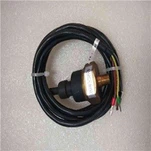
The intake valve can be said to be an intake control combination valve, which has the functions of intake control, loading and unloading control, volume control, discharge and prevention of oil injection during unloading or shutdown. Its operation law can be summarized as: power loading, power unloading. Compressor inlet valve generally has rotating disc and reciprocating valve plate two mechanisms.
The intake valve has two control modes: one is the switch mode. When the pressure of the air storage tank reaches the set value of the high limit, the intake port is closed; When the pressure drops to the low limit set, re-open the air intake. The other is the volume adjustment mode. When the gas reservoir reaches a certain pressure, the air inlet is slightly closed under the control of the proportional valve. When the pressure of the gas reservoir further increases, the air inlet is further reduced. When the pressure of the gas storage tank is slightly reduced, the air inlet will be increased to make the pressure stable in a certain range; When the pressure does not reach the regulating pressure, the intake valve disc is fully open, and the intake port is fully open.
The intake valve is generally normally closed to prevent a large amount of gas from entering the head when the compressor starts and increase the starting current of the motor. There is an intake bypass valve on the intake valve to prevent the formation of a high vacuum in the head when the machine is started and unloaded, which affects the atomization of lubricating oil.
Common fault
(1) No loading
Intake valve does not load the main reasons are: solenoid valve is not electric; Solenoid valve damage; Solenoid valve has impurities resulting in poor operation or exhaust port blockage; The friction between the piston seal ring and the cylinder of the intake valve increases due to the deterioration of the lubricating oil and can not be reset; The regulating valve controls the intake valve closed. Elimination method: check the equipment circuit to ensure that the solenoid valve is normal; Replace the solenoid valve coil or the entire solenoid valve body; Disassemble the solenoid valve to remove internal impurities; Remove oil stains inside the intake valve, remove oil dirt inside the cylinder wall of the intake valve, and replace high-quality lubricating oil; Adjust the tolerance valve (module) of the intake valve. Non-professionals are not advised to do it themselves.
(2) Do not uninstall
The main reasons for not unloading the intake valve are: the solenoid valve is not powered off; Solenoid valve damage; Solenoid valve hole blockage; The cut-off hole in the intake valve is blocked; The unloading speed is too fast. Elimination method: check the circuit, restore the solenoid valve normal; Replace the solenoid valve coil or the entire solenoid valve body; Open the solenoid valve to remove internal impurities; Open the intake valve to remove impurities in the closure hole; Adjust the unloading speed, increase the diameter of the air pipe or add an elbow.
(3) Air intake valve injection
The main reasons for the injection of oil into the intake valve are: poor oil and gas separator; Oil return check valve blocked; Air filter filtering effect is not good, inlet valve spool sealing surface adhesion impurities caused by poor sealing; Compressor working environment is bad, intake valve piston and spring seat matching pair wear. Elimination method: check the oil and gas separator, and replace the new oil core; Remove the oil return check valve and remove the impurities inside the check valve; Check the air filter and replace it with a new one. Clean the intake valve pipe. Shorten the maintenance period and recommend users to improve the compressor working environment